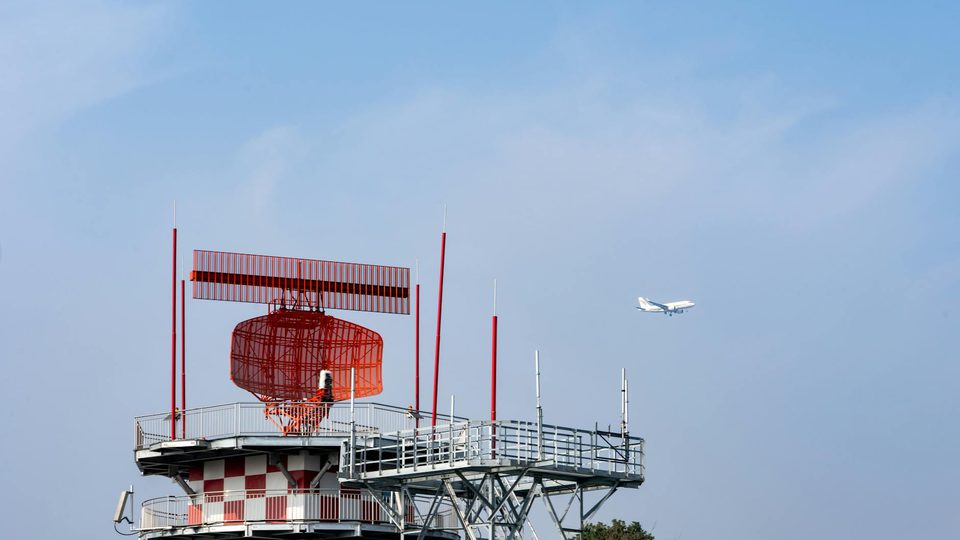
Choosing the right radar system is usually not about finding the radar with the biggest headline range. It is about selecting the radar whose scan behavior, geometry, deployment model, and integration path match the job you actually need done.
That distinction matters because two radars can both look strong on paper and still behave very differently in a real low-altitude security deployment.
Start With Mission and Target Set
The first questions are operational:
- What are you trying to detect?
- At what altitude band?
- Over what sector?
- In what environment?
- With what response time?
Those inputs determine whether the radar is being asked to provide broad early warning, local perimeter coverage, gap filling, or persistent track support for cueing cameras and operator decisions.
A radar chosen without a clear target set often ends up misapplied. A design aimed at larger cooperative traffic is not automatically the right answer for small low-altitude targets near cluttered infrastructure.
Think in Terms of Coverage Ownership
A radar is not only a sensor. It is a coverage geometry.
Important selection questions include:
- Who owns the near field?
- Who owns the far field?
- Are there blind sectors?
- Is the radar expected to search, track, or both?
- Will it operate alone or as one layer in a network?
MIT Lincoln Laboratory’s radar education material is useful because it reminds planners that radar performance emerges from the whole sensing chain: antenna behavior, waveform, receiver, processing, and geometry. A radar that looks attractive in isolation may still be the wrong choice if its coverage pattern does not match the site.
Match the Radar to the Environment
The environment changes the answer more than many buyers expect.
Low-altitude operations near buildings, trees, roads, water, or industrial surfaces create different clutter and masking conditions. The right radar for a coastal approach corridor may not be the right radar for an urban rooftop or an inland industrial site.
This is why radar selection should include:
- terrain and line-of-sight review,
- clutter expectations,
- siting height,
- mast or platform constraints,
- and expected weather exposure.
A radar is only as good as the environment in which it is asked to work.
Treat Range as a Conditional Number
Published range figures matter, but only when they are interpreted correctly.
The real questions are:
- range against what target,
- in what geometry,
- with what probability of detection,
- under what false-alarm assumptions,
- and for detection versus stable tracking.
If those conditions are not clear, the number is not wrong, but it is incomplete. That is why radar selection and detection-range selection should be treated as related but separate decisions.
Evaluate Integration Early
A radar should not be chosen as if it were the whole system.
Ask these questions before committing:
- Can the radar publish usable track data into the command platform?
- Can it support cueing for EO/IR?
- Can the software preserve confidence, history, and alert state cleanly?
- Is the deployment maintainable in terms of power, backhaul, and alignment?
For low-altitude security, the useful radar is usually the one that fits cleanly into a layered architecture rather than the one with the most impressive isolated specification.
Choose the Scanning Architecture Intentionally
Selecting the right radar system also means selecting the right scan behavior. A mechanically scanned radar, a phased-array sector system, and a multi-face electronically scanned design may all claim suitable coverage, but they behave differently in revisit rate, sector ownership, blind transitions, and target-handling workload.
That matters because many projects need not only detection, but predictable update behavior. If the radar is expected to cue optics, hold low-altitude tracks, or support a crowded sector, the scan architecture may influence operational quality as much as the frequency band.
Check Sustainment and Human Factors
A radar system that is technically strong but difficult to maintain rarely stays strong in service. Selection should therefore include:
- calibration and alignment burden,
- access for cleaning and maintenance,
- sparing and repair logic,
- operator workload,
- and how clearly the platform explains alerts and track state.
Those factors are not secondary. They often determine whether the system remains trusted six months after handover.
Beware of Solving the Wrong Problem
Radar projects often become over-specified in one area and under-specified in another. A team may buy for extreme range when the real issue is low-altitude masking, or buy for tiny-target sensitivity when the real issue is software integration and operator closure.
That is why a good selection process keeps asking one question: which limitation is most likely to break the mission first? The correct radar choice often comes from identifying that limiting factor honestly instead of assuming the most advanced brochure feature will solve it.
Use a Procurement Checklist
A simple checklist helps keep selection honest:
- Define the hardest target and the slowest acceptable response.
- Map the site geometry and clutter before comparing brochures.
- Check whether the radar will own search, tracking, or both.
- Evaluate command-platform and camera-cue integration early.
- Compare sustainment burden and validation method, not just acquisition price.
That process usually leads to a better decision than debating range numbers in isolation.
Conclusion
Choosing the right radar system means matching the radar to mission, geometry, clutter, and integration requirements. The best radar is not the one with the strongest headline. It is the one that can own the right sector, support the right workflow, and remain credible in the actual site environment.
Official Reading
- MIT Lincoln Laboratory: Introduction to Radar Systems - A strong foundation for radar selection, radar behavior, and performance interpretation.
- FAA UTM - Useful context for how low-altitude operations are becoming more structured and data-aware.
- FAA Remote ID - Important for understanding how identity and cooperative data may complement radar in low-altitude monitoring.
- Department of Defense Strategy for Countering Unmanned Systems Fact Sheet - Relevant for planners who need to think in terms of layered sensing rather than single-system sufficiency.